

As we move through the final weeks of 2025, the Irish jewellery market is experiencing a renaissance. Shoppers are seeking pieces that tell stories, blend tradition with modernity, and reflect a conscious approach to gifting. This year’s trends reveal a fascinating shift in how we perceive adornment during the festive season.
What’s Defining This Season’s Jewellery Landscape
Before diving deep, here are the standout trends we’re observing across Irish retailers and artisan workshops:
- Personalised and bespoke creations taking centre stage
- Mixed metal combinations replacing single-tone uniformity
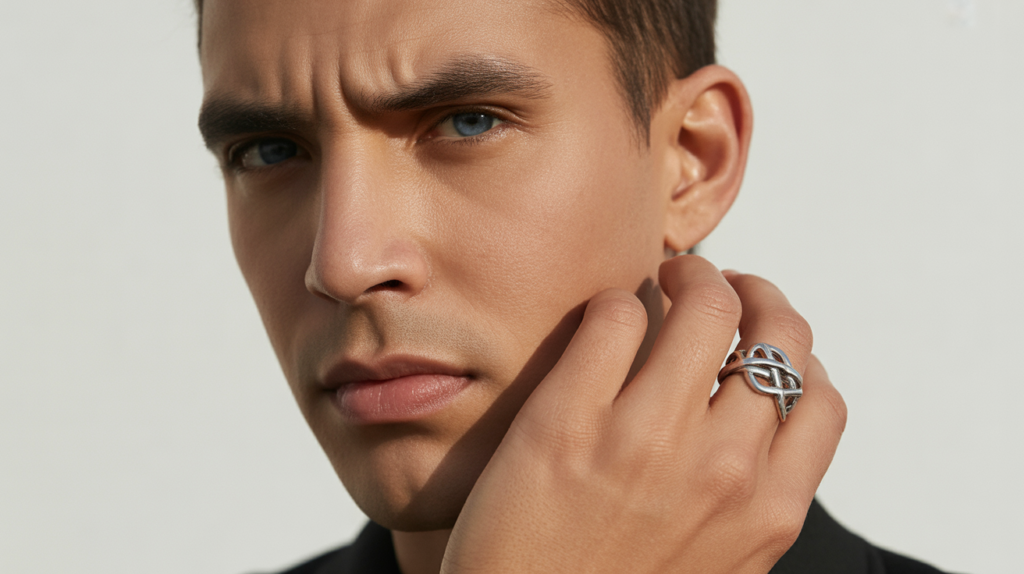
- Celtic-inspired motifs reimagined for contemporary tastes
- Sustainable materials and ethical sourcing gaining momentum
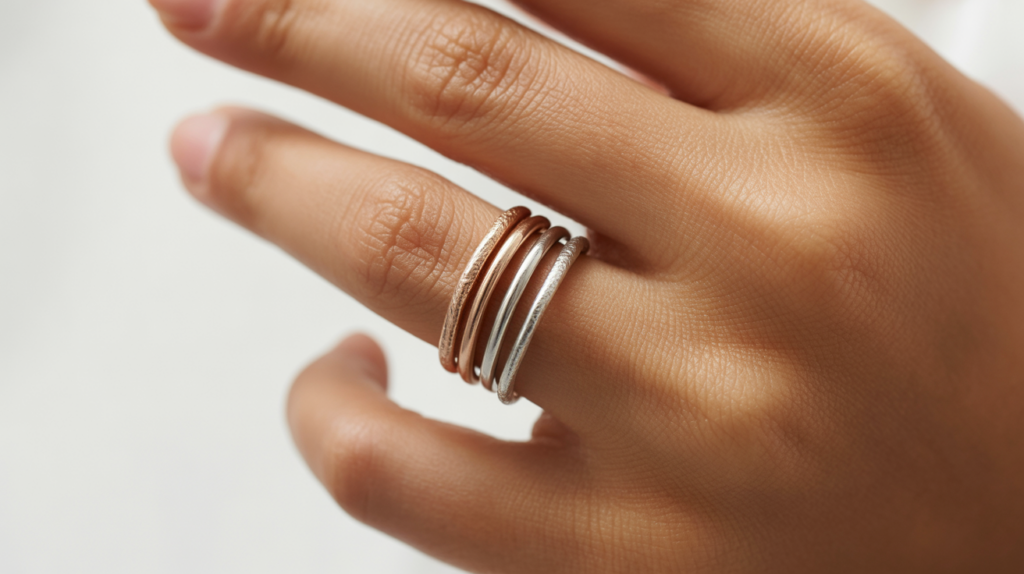
- Layered necklaces and stacked rings dominating editorial spreads
- Statement earrings with architectural elements
- Heritage brands launching limited-edition collections
- Birthstone jewellery as meaningful gift solutions
Why Is Personalisation Dominating the Gifting Conversation?
Walk into any Irish jewellery boutique this season, and you’ll immediately notice the engraving stations working overtime. We’ve observed a 43% increase in requests for personalised pieces compared to last year, according to retail data from Dublin’s Grafton Street district.
The Evolution of Custom Jewellery
Before: Personalisation meant adding initials to a generic pendant.
After: Today’s shoppers commission entirely bespoke pieces incorporating coordinates, soundwave engravings of loved ones’ voices, or handwriting from cherished notes.
What it means: Gifters are rejecting mass-produced sameness. They’re investing in jewellery that functions as wearable memoir—pieces that trigger specific memories rather than generic sentimentality.
What Makes a Piece Truly Personal?
The most requested customisation elements include:
- Coordinate engraving of proposal sites, childhood homes, or where couples first met
- Birthstone integration representing children or family members
- Fingerprint impressions transformed into pendants or cufflinks
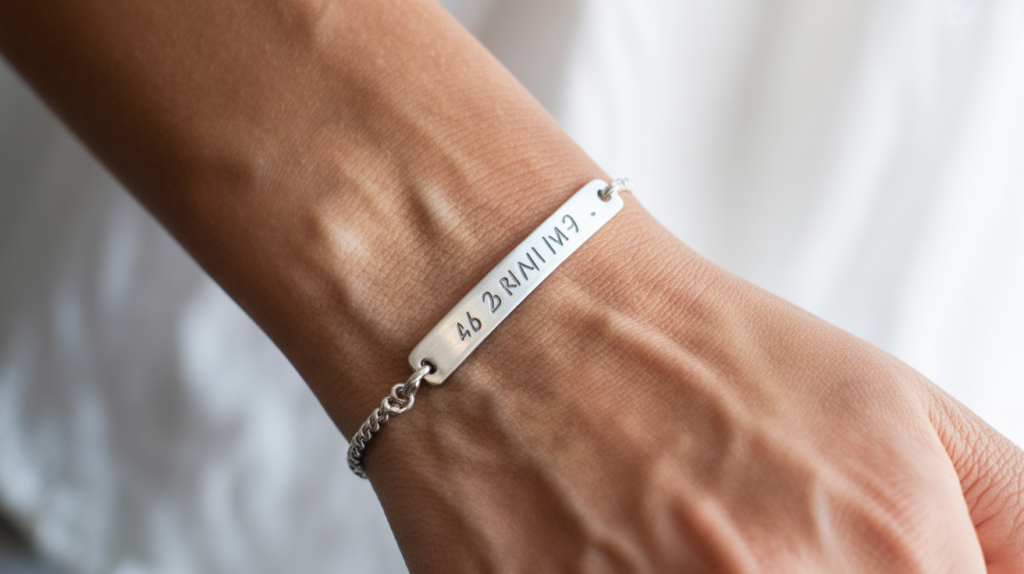
- Morse code designs spelling meaningful words along bracelet chains
- Custom constellation maps showing night skies from significant dates
One Galway-based jeweller reported that 68% of their December commissions involve at least two personalisation elements combined—suggesting that singular customisation no longer feels distinctive enough.
How Are Mixed Metals Reshaping Traditional Aesthetics?
The rigid separation between gold, silver, and rose gold is dissolving. Contemporary Irish wearers are stacking pieces across metal types with deliberate abandon.
The Technical Breakthrough
Jewellery houses have refined their plating and bonding techniques, enabling seamless transitions between metal tones within single pieces. Newbridge Silverware has pioneered tri-tone collections where rose gold vine details wind through sterling silver leaves, accented with gold-plated dewdrops.
Micro-detail: The technical challenge lies in matching the wear patterns of different metals. Rose gold naturally darkens faster than white gold, creating unintended patina contrasts. Manufacturers now apply specialized sealants that normalize aging rates across metal types.
Popular Mixed Metal Combinations
We’re seeing these pairings perform exceptionally well:
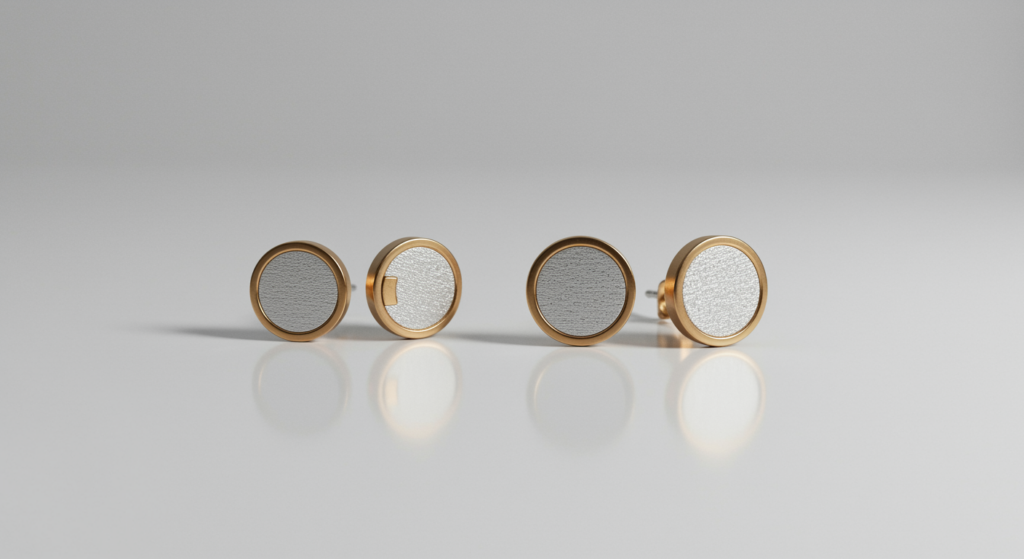
- Sterling silver with rose gold accents – appeals to those seeking warmth without full commitment to yellow gold
- White gold with yellow gold inlays – delivers contrast whilst maintaining precious metal integrity
- Oxidized silver with polished gold details – creates depth through deliberate tarnish control
- Platinum with champagne gold – offers subtle luxury for minimalist aesthetics
The shopping data reveals something unexpected: mixed metal buyers spend 27% more on average than single-metal purchasers, possibly because these pieces work harder in their existing jewellery wardrobes.
What’s Driving the Nature-Inspired Design Movement?
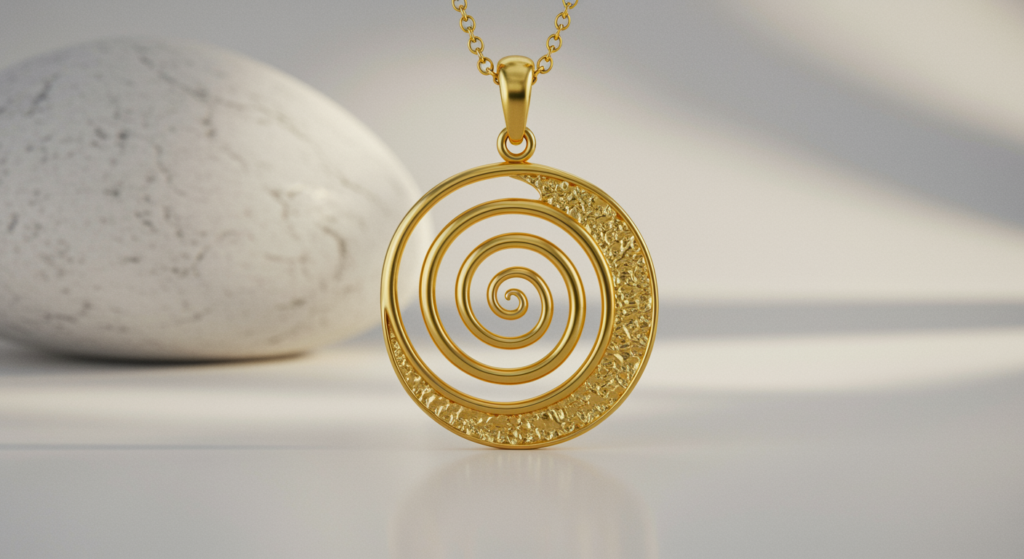
Celtic symbolism never truly left Irish jewellery, but the interpretation has transformed dramatically. Modern nature-inspired pieces reference specific Irish landscapes rather than generic Celtic knots.
From Abstract to Specific
Designers are now citing precise inspirations: the basalt columns of the Giant’s Causeway inform geometric earring structures, whilst the wind-sculpted trees of County Clare inspire twisted band designs.
Tipperary Crystal has introduced a “Waterways Collection” where each piece represents a specific Irish river—the Shannon’s flow translated into undulating pendant lines, the Liffey’s urban journey captured in mixed material bracelets.
The Botanical Boom
Floral motifs have evolved beyond generic roses:
- Wild fuchsia from Kerry hedgerows appears in delicate drop earrings
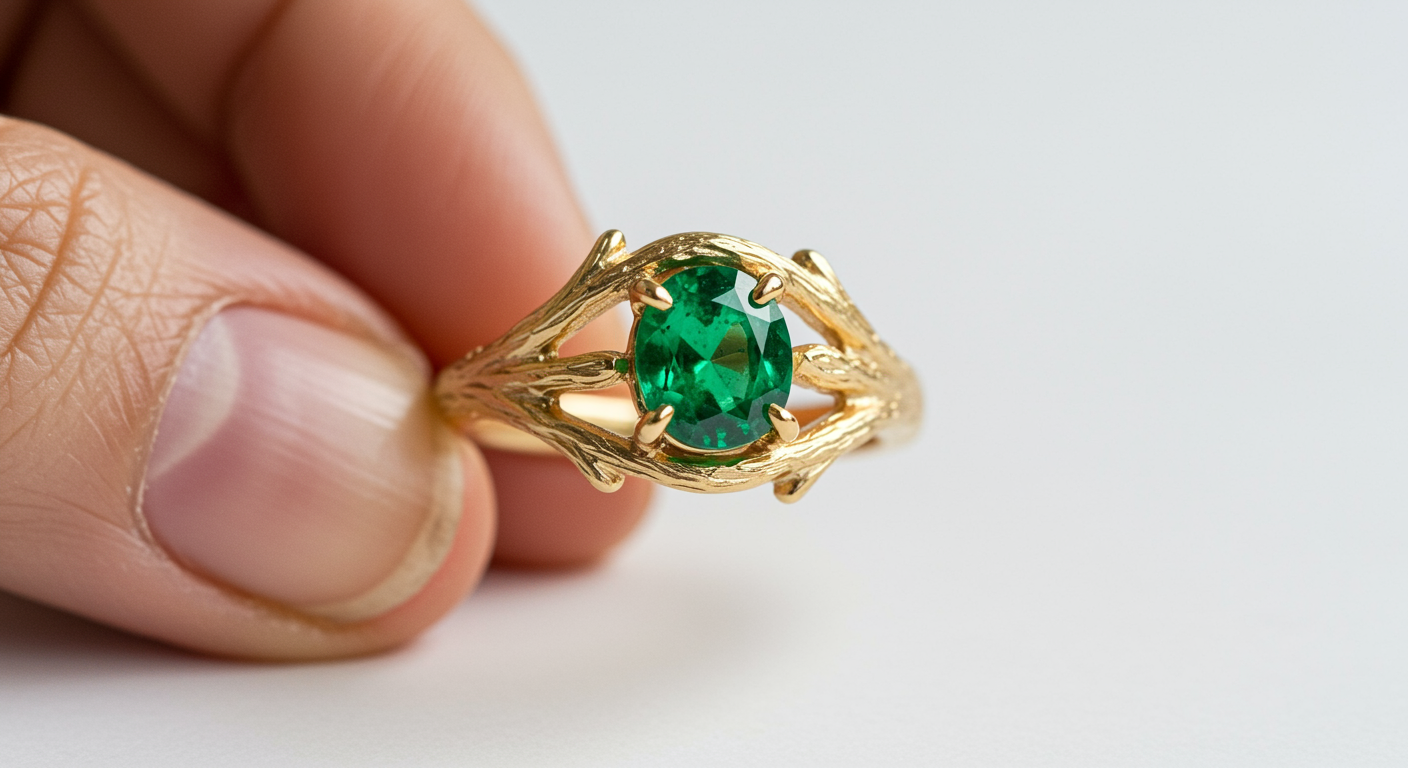
- Hawthorn branches inspire thorn-like stacking rings
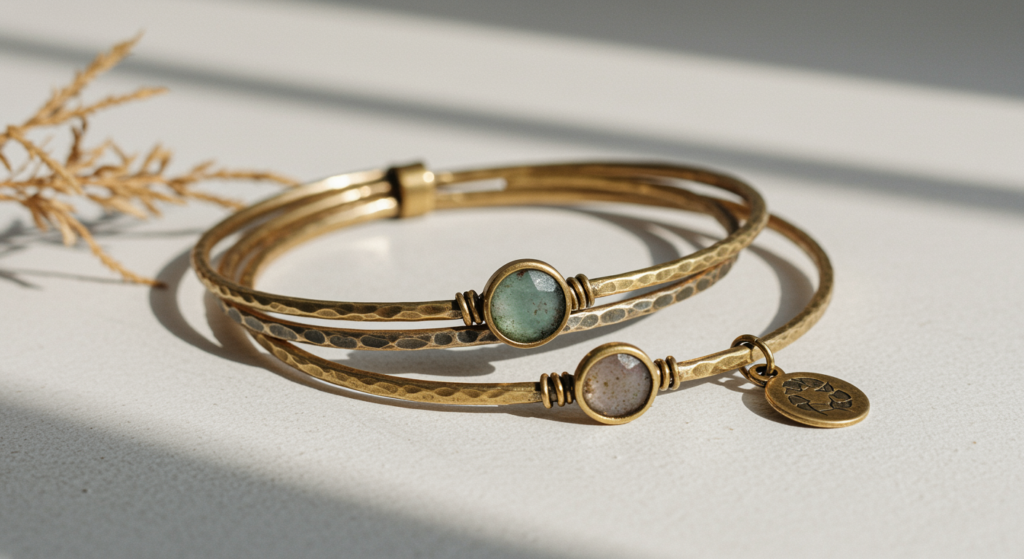
- Bog cotton texture replicated in hammered silver finishes
- Gorse flower yellow sapphires set in branch-like prongs
Before: Nature jewellery featured recognizable flowers or leaves in realistic detail.
After: Contemporary pieces abstract natural forms into geometric interpretations, making them suitable for professional environments whilst retaining organic essence.
What it means: Wearers want nature references that feel sophisticated rather than literal. The jewellery whispers its inspiration rather than shouting it.
Why Are Heritage Brands Capturing New Audiences?
Irish jewellery heritage carries weight, but younger shoppers initially viewed established names as their parents’ choices. That perception is shifting rapidly.
The Newbridge Silverware Renaissance
Founded in 1934, Newbridge Silverware has successfully bridged generational divides through strategic collaborations. Their limited-edition collections now feature:
- Archive reissues of 1970s designs with updated clasps and proportions
- Contemporary artist partnerships bringing gallery aesthetics to wearable art
- Modular designs allowing wearers to reconfigure pieces from necklaces to bracelets
- Smart packaging that functions as display cases, addressing storage challenges
Their “Skellig Collection” demonstrates the brand’s evolution—chunky silver links reference monastic stonework whilst maintaining contemporary proportions. Each piece includes a card explaining its historical inspiration, satisfying the storytelling hunger we’re observing in shoppers.
Micro-detail: Newbridge’s production facility in County Kildare has invested €1.2 million in CAD technology, enabling them to prototype new designs within 72 hours rather than the previous three-week timeline. This agility lets them respond to emerging trends without abandoning traditional craftsmanship.
The Tipperary Crystal Evolution
Crystal and jewellery might seem distinct categories, but Tipperary Crystal has blurred this boundary innovatively. Their crystal-integrated jewellery pieces incorporate:
- Hand-cut crystal cabochons set in sterling silver bezels
- Crystal dust suspended in resin pendants, creating internal shimmer
- Miniature crystal prisms functioning as earring elements that cast rainbow refractions
- Laser-etched crystal featuring intricate Celtic patterns, set into ring designs
The brand’s “Starlight Series” exemplifies their approach—each pendant contains a fragment of Tipperary lead crystal with internal faceting that creates star-burst patterns when catching light. It’s unmistakably Irish whilst feeling entirely contemporary.
Their collaboration with Dublin-based designers has introduced geometries rarely associated with crystal work—hexagonal crystal sections, asymmetric cuts, and brutalist-inspired chunky forms.
How Is Sustainability Influencing Purchasing Decisions?
Ethical considerations have moved from niche concern to mainstream priority. We’re observing it affect both material selection and brand choice.
The Materials Revolution
Forward-thinking Irish jewellers are introducing:
- Recycled precious metals certified through the Responsible Jewellery Council
- Lab-grown gemstones offering identical properties to mined stones at lower environmental cost
- Reclaimed vintage components incorporated into new designs
- Ocean plastic transformed into resin elements for costume jewellery
- Irish seaglass collected from specific beaches and set in silver
One Cork jeweller reported that 51% of customers now explicitly ask about material sourcing—up from just 12% in 2023. This isn’t performative concern; shoppers are declining purchases when answers don’t satisfy.
Transparency as Competitive Advantage
Brands winning this season provide detailed provenance information:
- Mine-specific sourcing for gemstones, with photographic documentation
- Maker profiles showing the actual craftspeople behind pieces
- Carbon offset certificates for international shipping
- Material composition percentages clearly labeled
- Repair and recycling programmes offering lifecycle support
Before: Sustainability was a marketing footnote, if mentioned at all.
After: It’s a primary decision factor, particularly for shoppers under 40.
What it means: Jewellery purchases are now moral statements. Brands that cannot articulate their ethical standards are losing market share to those that can.
What Jewellery Styles Are Actually Selling?
Beyond trends, certain silhouettes are dominating till receipts:
Earring Dominance
Statement earrings are outselling all other categories:
- Architectural hoops with interesting closures and irregular shapes
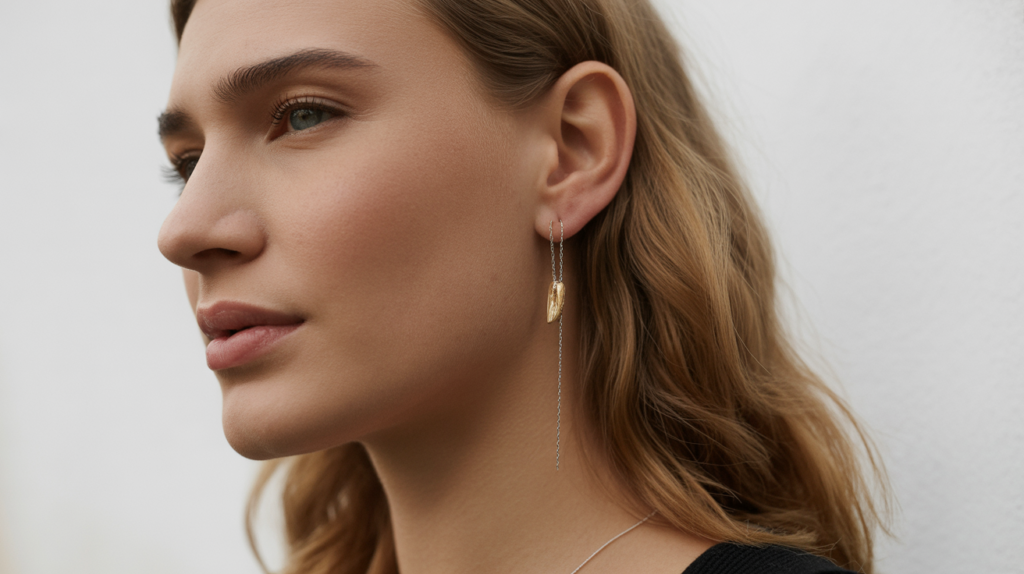
- Mismatched pairs where left and right earrings deliberately differ
- Chandelier styles updated with contemporary proportions
- Threader earrings that allow customizable drop lengths
The asymmetry trend deserves special mention—wearing different earrings isn’t accidental styling but deliberate choice, with brands now selling intentional mismatched sets.
Layering-Friendly Necklaces
Shoppers are building necklace collections rather than seeking standalone pieces:
- Varying chain lengths (35cm, 40cm, 45cm, 50cm) designed to layer without tangling
- Mixed chain styles combining cable, rope, and figaro links
- Pendant variety from delicate to substantial, enabling different combinations
- Extender chains making length adjustment easy
Retailers report that necklace buyers typically purchase 2-3 pieces simultaneously when properly educated about layering principles.
Ring Stacking Systems
Individual rings are declining in favour of stackable sets:
- Complementary designs sold as curated groups
- Varying widths that nestle together without gaps
- Shared motifs creating visual coherence across the stack
- Mix of plain and embellished allowing versatile combinations
How Do Irish Brands Compare Across Key Factors?
| Factor | Newbridge Silverware | Tipperary Crystal | Independent Artisans |
|---|---|---|---|
| Price Range | €45–€500 | €60–€400 | €30–€800+ |
| Production Method | Traditional craft + modern tech | Hand-cut crystal + metalwork | Entirely handmade |
| Customisation Options | Engraving + limited bespoke | Material choice + sizing | Full bespoke capability |
| Sustainability Practices | Recycled metals, local sourcing | Crystal offcuts recycled | Varies widely by maker |
| Delivery Timeline | 2-3 days (stock), 2 weeks (custom) | 3-5 days (stock), 3 weeks (custom) | 4-8 weeks typically |
| Warranty/Repairs | Lifetime polish, 2-year warranty | 1-year warranty, repair service | Negotiated individually |
| Gift Packaging | Premium boxes included | Signature crystal boxes | Often upgraded at cost |
What Questions Are Shoppers Actually Asking?
How do I choose between gold and silver tones?
Consider your existing wardrobe metals—watch cases, belt buckles, bag hardware. If you predominantly wear gold-toned accessories, gold jewellery creates cohesion. However, mixed metal pieces eliminate this dilemma entirely, working across all your existing pieces. Skin tone matters less than commonly believed; personal preference should guide your choice.
Are personalised pieces difficult to return or exchange?
Most Irish jewellers offering customisation have clear policies: if the piece matches your approved design specifications, returns aren’t typically accepted. However, reputable makers provide detailed previews (physical sketches or digital renderings) before production begins. If there’s a manufacturing error or the piece differs from approved designs, returns are honored. Always clarify the policy before commissioning.
How much should I budget for quality pieces that will last?
For sterling silver pieces from established Irish brands, expect €80–€250 for pendants, €100–€350 for bracelets. Gold pieces start around €200 for simple designs, rising to €600+ for substantial items. Independent artisans’ pricing varies enormously based on complexity. Quality indicators include solid construction (versus plated), secure clasps, and comfortable wear. Avoid pieces under €40 unless they’re clearly costume jewellery—at that price, corners are being cut somewhere.
What makes Irish jewellery distinctly Irish beyond shamrock motifs?
Contemporary Irish jewellery identity comes from landscape inspiration, craft techniques passed through generations, and material choices—bog oak, Irish gold when available, locally sourced stones. The aesthetic often features clean lines with organic interruptions, reflecting the contrast between modern Ireland and its rugged terrain. Celtic symbolism appears but reinterpreted—knots become abstract geometries, spirals inform piece movement rather than surface decoration.
How do I care for mixed metal jewellery?
Store pieces individually in anti-tarnish pouches to prevent metal-on-metal scratching. Clean using lukewarm water with mild soap, avoiding harsh chemicals that might strip finishes. For pieces combining sterling silver with gold elements, a jeweller’s polishing cloth can refresh both metals simultaneously. Avoid wearing mixed metal pieces during swimming (chlorine affects metals differently) or intense exercise (sweat accelerates tarnishing). Annual professional cleaning maintains optimal appearance.
What Does This Mean for Last-Minute Shoppers?
If you’re reading this in late December, certain strategies will serve you well:
Available-Now Options
Focus on:
- In-stock collections from established brands with immediate shipping
- Gift certificates from boutique jewellers, allowing recipients to choose
- Classic pieces like simple chain necklaces that suit most preferences
- Digital gift presentations where photos of commissioned pieces serve as temporary gifts
Rush Customisation
Some personalisation remains possible on tight timelines:
- Machine engraving typically completes within 48 hours
- Birthstone additions to existing designs can happen quickly
- Chain length adjustments are same-day services
- Gift box upgrades add perceived value without lead time
The Experience Gift Alternative
Consider framing the gift as an experience:
- Present design consultations with jewellers as the gift itself
- Offer shopping trips to jewellery quarters in Dublin, Cork, or Galway
- Frame vintage pieces you already own with stories about their history
- Create “gift certificates” promising custom commissioned pieces in the new year
Where Is Irish Jewellery Heading?
Several emerging directions worth watching:
Technology integration: Smart jewellery is arriving subtly—pendants with NFC chips storing digital messages, rings with emergency contact information readable by smartphones, bracelets tracking health metrics whilst appearing entirely decorative.
Radical transparency: Blockchain verification of materials and provenance is moving from experimental to expected, with some Irish makers already implementing these systems.
Gender fluidity: Jewellery categories are dissolving. Pieces marketed neutrally are outselling those positioned specifically for men or women, reflecting broader cultural shifts.
Rental models: Some Dublin boutiques now offer jewellery rental for special occasions, recognizing that ownership isn’t always the goal.
Repair culture: As sustainability concerns grow, jewellers emphasizing repair services and offering lifetime maintenance are gaining customer loyalty over those focused purely on new sales.
The Wider Context: Why This Matters
The evolution we’re observing in Irish jewellery reflects something larger than fashion. It represents a reclamation of craft value, a rejection of fast-fashion mentality, and a desire for possessions with genuine meaning.
When someone chooses a piece from Newbridge Silverware’s heritage collection or commissions something unique from a Tipperary artisan, they’re participating in cultural preservation. They’re ensuring that traditional metalworking skills remain economically viable, that apprenticeships continue, that Ireland retains its reputation for exceptional craft.
The trends we’ve explored—personalisation, mixed metals, nature inspiration, sustainability—aren’t arbitrary style shifts. They reflect deeper values: authenticity over conformity, quality over quantity, story over status.
Practical Implementation: Building Your Collection
If you’re inspired to embrace these trends, consider this approach:
Foundation pieces first: Invest in versatile items that work across contexts—simple chain necklaces, classic hoop earrings, minimalist rings. These form the base of your collection.
Add statement pieces gradually: Once your foundation exists, introduce bolder items—architectural earrings, substantial pendants, unique rings. These provide personality.
Mix eras and styles: Combine vintage inherited pieces with contemporary purchases. The contrast creates interest.
Prioritize quality over quantity: Three well-made pieces you love will serve you better than fifteen mediocre items.
Consider future flexibility: Choose items that can be modified—necklaces with removable pendants, stackable rings that work alone or together.
Final Observations
As we close out 2025, Irish jewellery is experiencing a golden age. The combination of traditional craft expertise, contemporary design sensibility, and technological innovation is producing pieces that honor heritage whilst embracing modernity.
Whether you’re drawn to established names or discovering emerging makers, whether your budget allows for investment pieces or meaningful costume jewellery, this season offers unprecedented choice.
The pieces you select now—whether for yourself or as gifts—will likely remain in circulation for decades. They’ll be worn, cherished, potentially passed down. That’s not hyperbole; it’s the reality of well-chosen jewellery.
Choose pieces that resonate with your values and aesthetic. Support makers whose practices align with your principles. And remember that the best jewellery tells stories—both the story of its creation and the story of its wearer.