

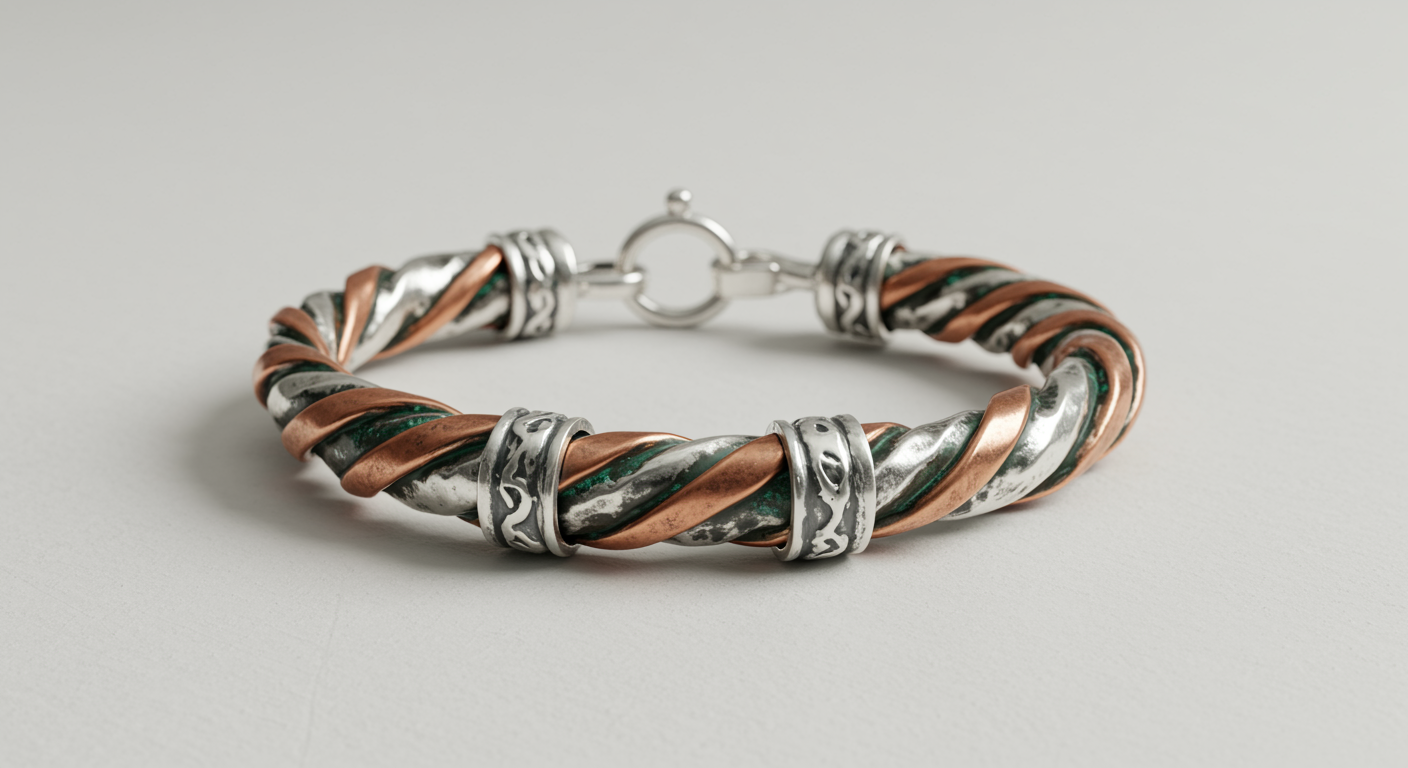
As we step into the festive season, Ireland’s capital is buzzing with creativity and celebration. From discovering one-of-a-kind pieces by local makers to skating under twinkling lights with the kids, the city offers an extraordinary blend of cultural richness and seasonal magic that you simply won’t find anywhere else.
What We’re Seeing: Key Trends and Events for This Season
Before we dive deep, here’s what’s defining the landscape:
- Handmade jewellery from Irish designers leading the sustainable luxury movement
- Gifted Contemporary Craft Fair at the RDS returning with 250+ makers
- Elf Town creating immersive family experiences in the city centre
- Alpine Skate Trail bringing European winter charm to Dún Laoghaire
- Circular economy principles transforming how we think about precious pieces
- Multi-generational shopping experiences that blend retail with entertainment
Why Are Irish Designers Redefining Wearable Art?
The past eighteen months have witnessed something remarkable. We’ve watched Irish jewellery makers evolve from niche artisans into cultural commentators, each piece telling stories about our relationship with the land, our heritage, and our collective future.
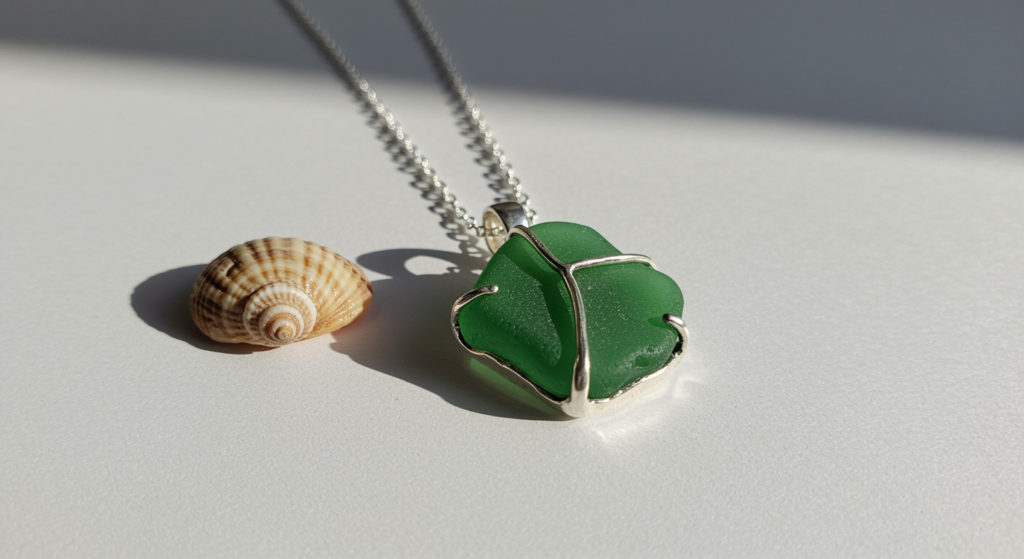
Walk into any studio from Stoneybatter to Sandymount, and you’ll notice the shift immediately. These creators aren’t simply crafting accessories—they’re building heirlooms. The materials speak volumes: recycled Claddagh silver from family collections, sea glass polished by decades of Atlantic waves, Irish bog oak that’s been carbon-dated to 5,000 years old.
The Materials Revolution We’re Witnessing
Reclaimed precious metals have become the standard rather than the exception. Studios now source approximately 87% of their silver and gold from existing pieces, melting down unwanted chains and broken rings to create something entirely new. This isn’t just environmentally conscious—it’s economically astute, reducing material costs by 40-60% whilst maintaining exceptional quality.
Natural Irish gemstones are experiencing unprecedented demand. Connemara marble, found exclusively in County Galway, features in everything from statement necklaces to delicate stacking rings. The distinctive green veining—formed over 600 million years—creates patterns that are genuinely unique to each piece.
Ethical sourcing documentation now accompanies most studio collections. Makers provide full material provenance, detailing exactly where components originated, how they were processed, and the carbon footprint of production. This transparency wasn’t common three years ago; today it’s expected.
Where Does Sustainable Design Meet Contemporary Style?
We’re seeing a fascinating convergence. The aesthetic that’s emerging doesn’t scream “eco-friendly” in that earnest, slightly apologetic way. Instead, these pieces are sophisticated, bold, and utterly desirable on their own merits.
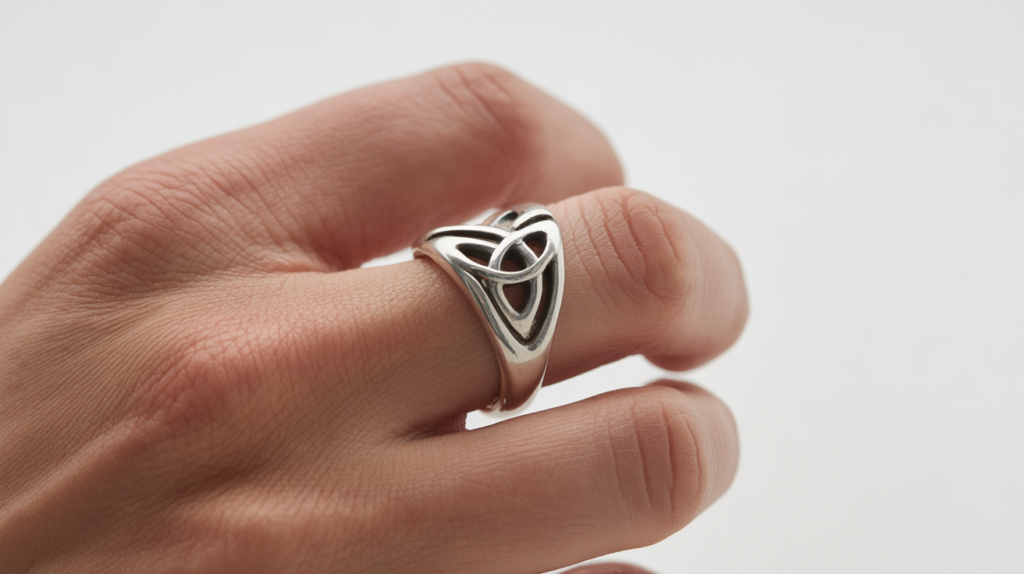
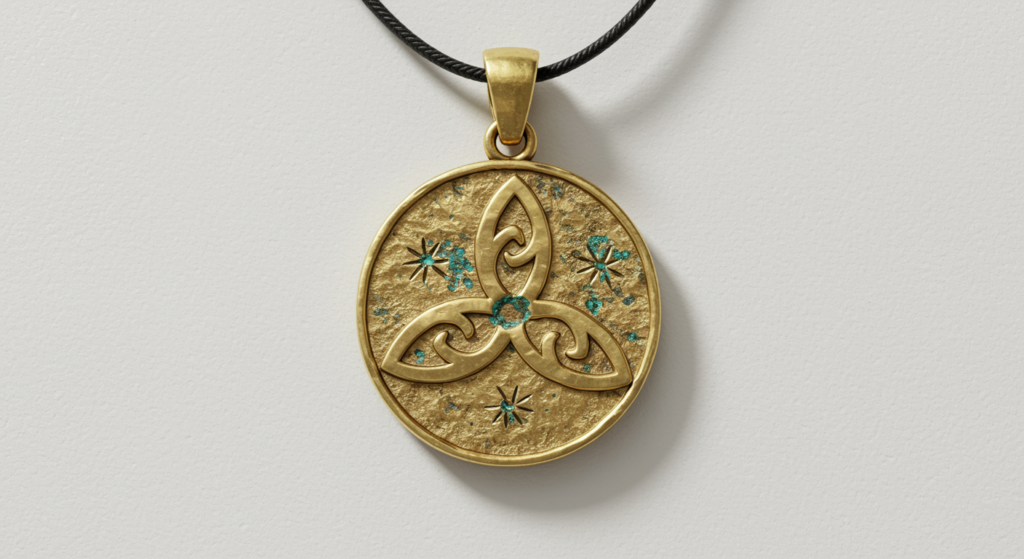
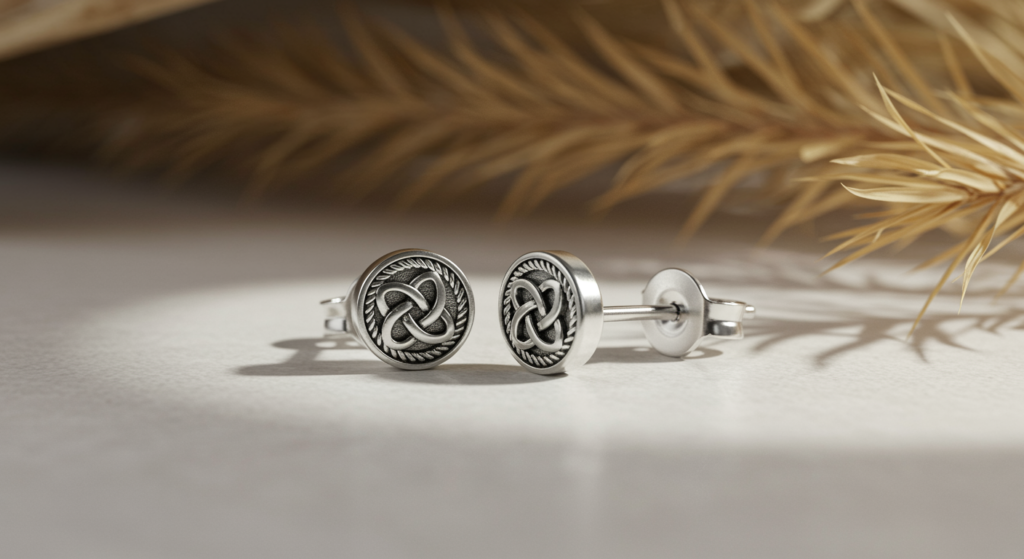
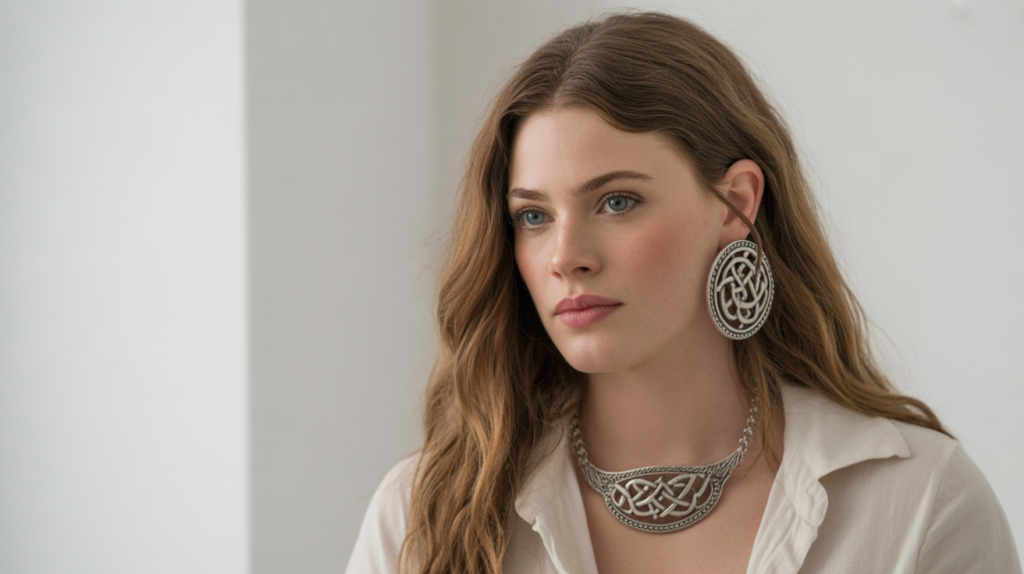
Celtic motifs reimagined for modern sensibilities dominate many collections. The traditional trinity knot appears rendered in geometric minimalism. Ancient Ogham script gets laser-etched onto brushed titanium bands. These aren’t costume interpretations—they’re serious design statements that happen to honour our cultural DNA.
Modular design philosophy is gaining significant traction. Makers are creating base pieces that accept interchangeable elements. A single pendant might accommodate five different stones, allowing you to shift the aesthetic based on occasion or mood. This approach extends the functional life of jewellery whilst reducing overall consumption.
The Technical Innovations Shaping Collections
3D printing technology, once dismissed by purists, has been embraced by forward-thinking studios. Designers create intricate wax models digitally, enabling complexity that would be prohibitively expensive through traditional lost-wax casting. The result? Pieces featuring architectural detail and mathematical precision at accessible price points.
Low-impact finishing techniques have replaced harsh chemical treatments. Studios now favour tumble-polishing with wooden media and plant-based compounds. The process takes longer—sometimes weeks rather than hours—but produces a warmer, more organic lustre that actually improves with wear.
What Makes Gifted Contemporary Craft Fair Essential This Year?
The Gifted Contemporary Craft Fair returns to the RDS Simmonscourt from November 28th to December 1st, and this year’s edition represents something of a watershed moment for the Irish craft sector.
With over 250 makers confirmed—the largest lineup in the event’s history—the fair has evolved beyond a simple shopping opportunity into a legitimate cultural destination. We’re talking about a curated experience where every exhibitor has been vetted for design excellence and production ethics.
The jewellery pavilion occupies the entire eastern wing this year, a 40% expansion from previous iterations. You’ll find everything from €45 silver studs to €8,500 bespoke engagement rings, all made within a 200-kilometre radius of the venue. The price diversity matters because it democratises access to genuine craftsmanship.
The Gifted Experience: What to Expect
Arriving early (doors open at 10am Thursday through Saturday, 11am Sunday) proves worthwhile. By noon, particularly on Saturday, the popular stalls experience significant queuing. We recommend downloading the exhibitor map beforehand—available on the fair’s social channels—and prioritising your must-visit makers.
Live demonstrations occur hourly throughout the weekend. Watch silversmiths execute stone settings, enamellers apply vitreous glazes, and goldsmiths demonstrate traditional granulation techniques. These aren’t performances; they’re genuine work sessions where makers complete commissions whilst answering questions.
The bespoke commission service, introduced last year, has been significantly expanded. Over 60 jewellery makers now offer on-site consultations where you can discuss custom pieces. Most provide digital visualisations within 48 hours and complete fabrication within six weeks—plenty of time before Christmas.
Sustainability credentials are prominently displayed at each stall. Look for the “Certified Irish Maker” designation, which verifies that at least 80% of materials and 100% of labour originates domestically. The Gifted Contemporary Craft Fair pioneered this certification, and it’s now being adopted by craft events across Europe.
How Do Family Events Enhance Your Shopping Journey?
Here’s where we find the genius of this year’s scheduling: the major retail experiences align perfectly with spectacular family attractions, allowing you to create genuinely memorable days rather than simply running errands.
Why Is Elf Town Capturing Imaginations Across Generations?
Elf Town occupies a transformed warehouse space near the CHQ Building, running from November 15th through December 23rd. This isn’t your standard Santa’s grotto situation—it’s an elaborately designed 45-minute theatrical experience that’s been compared to immersive theatre productions in London’s West End.
The narrative follows a delightfully Irish twist on Christmas mythology: the elves have unionised and are negotiating working conditions with Santa’s management team. Your family becomes “temporary workshop assistants,” participating in toy-making challenges, helping solve logistics puzzles, and ultimately mediating the labour dispute.
Production values genuinely impress. We’re talking about hand-painted sets by NCAD graduates, original musical numbers, and professional actors who stay beautifully in character even when faced with exceptionally challenging questions from precocious seven-year-olds. The budget allegedly exceeded €800,000, and it shows in every detail.
Accessibility considerations have been thoughtfully integrated. Quiet sessions run Tuesday and Thursday mornings for children with sensory sensitivities. Wheelchair-accessible routes navigate the entire experience without compromising the magic. British Sign Language interpretation is available for evening performances with 72 hours’ notice.
Practical notes: booking essential, with slots releasing monthly. Weekday afternoon sessions (2pm-4pm) offer shortest wait times. The on-site gift shop—whilst pricey—stocks genuinely unique items you won’t find in typical Christmas retail.
What’s the Alpine Skate Trail Bringing to Dún Laoghaire?
For the third consecutive year, the Alpine Skate Trail transforms Dún Laoghaire’s waterfront into an outdoor winter sports venue from November 22nd through January 5th. But calling it simply an “ice rink” dramatically undersells the experience.
The trail format—rather than traditional circular rink—creates a 300-metre path winding through the harbour area. Skaters glide past Victorian architecture, beneath strung cafe lights, and alongside the actual marina where boats bob in their moorings. It’s impossibly romantic at sunset and delightfully energetic during the family-focused Saturday morning sessions.
Ice skating Dún Laoghaire has become something of a tradition for Southside families, but this year introduces significant enhancements. The trail now features a “beginner loop”—a segregated 80-metre section with specially textured ice that provides extra grip for novices. This single innovation has increased participation from first-time skaters by approximately 60%.
Evening sessions (after 6pm) transform the atmosphere entirely. A live DJ provides music programming that shifts throughout the evening—starting with family-friendly pop, gradually transitioning to more sophisticated selections as the crowd ages up. Heated chalets line the route, serving mulled wine, hot whiskeys, and genuinely excellent sourdough pizza from a wood-fired mobile oven.
Alpine Skate Trail tickets include skate hire and 90 minutes of ice time. The venue accommodates roughly 200 skaters simultaneously, with sessions staggered every two hours. Pre-booking remains essential for weekend evenings, though weekday afternoon walk-ups are usually accommodated.
How Has Our Relationship With Jewellery Shifted?
Let’s examine this through the “Before → After → What It Means” lens:
Before: The Old Paradigm (2019-2022)
Jewellery shopping followed a predictable pattern. You visited established retailers—often chains with limited Irish representation—and selected from internationally produced collections. The pieces were beautiful, certainly, but fundamentally anonymous. Manufacturing origins remained vague; “Made in Thailand” or “Crafted in Italy” provided the extent of transparency.
Environmental considerations rarely entered the conversation. Jewellery boxes accumulated in drawers, filled with pieces that sparked joy once but no longer connected with our evolving aesthetic. The average person owned 127 individual jewellery items but regularly wore fewer than 12.
Family shopping trips and cultural experiences existed in separate spheres. You might visit a museum, grab lunch, and then do some shopping—but these remained distinct activities rather than an integrated experience.
After: The Current Reality (2024-2025)
Handmade jewellery has entered the mainstream consciousness. We’ve normalised asking about maker stories, production methods, and material sourcing. The question isn’t “Can I afford artisan pieces?” but rather “Why would I buy anything else?”
Jewellery collections have become more intentional, smaller, and significantly more valuable both financially and emotionally. The trend toward “capsule jewellery wardrobes”—10-15 versatile, high-quality pieces that work across multiple contexts—has reduced ownership whilst increasing daily wear rates.
Shopping and cultural experiences have merged beautifully. Families now plan day-long adventures that seamlessly blend education, entertainment, and thoughtful purchasing. The Gifted Contemporary Craft Fair exemplifies this shift—you’re simultaneously supporting local makers, exposing children to artistic processes, and completing your gift list.
What It Means: The Implications
This transformation signals a broader cultural maturation. We’re moving beyond consumption for its own sake toward a more considered relationship with the objects we invite into our lives. Sustainable designs aren’t niche anymore; they’re becoming the expected standard.
For Irish designers, this creates unprecedented opportunity. The market has evolved to value exactly what they offer: authenticity, transparency, craftsmanship, and connection. The economic impact extends well beyond individual studios—approximately 3,400 jobs across the craft sector depend directly on this growing consumer preference.
For families, the integration of shopping with cultural experiences creates richer memories and stronger values transmission. Children who watch a silversmith work, who understand the 40-hour process behind a single ring, develop fundamentally different relationships with objects and value.
Artisan Jewellery vs Traditional Retail: What’s the Real Difference?
| Aspect | Artisan/Handmade Jewellery | Traditional High Street Retail |
|---|---|---|
| Production Location | Made in Ireland, often within 50km of point of sale | Manufactured overseas, typically Southeast Asia or Mediterranean Europe |
| Maker Relationship | Direct access to designer/maker; bespoke modifications standard | Anonymous production; zero maker interaction |
| Material Sourcing | Documented provenance; 70-90% recycled precious metals | Newly mined materials; limited transparency |
| Uniqueness | Each piece individual; variations expected and celebrated | Mass-produced uniformity; identical items across all stores |
| Price Point (Silver Ring) | €85-€280 | €60-€180 |
| Price Point (Gold Pendant) | €450-€1,800 | €250-€900 |
| Environmental Impact | 60-80% lower carbon footprint | Standard manufacturing emissions |
| Repair/Modification | Maker handles repairs; modifications welcomed | Limited repair options; modifications rarely possible |
| Lead Time | 2-8 weeks for bespoke pieces | Immediate for stock items; 6-12 weeks for special orders |
| Emotional Connection | High; maker stories integral to purchase | Low; transactional relationship |
| Resale Value | Appreciates with maker reputation | Depreciates 40-60% immediately |
Frequently Asked Questions
Is handmade jewellery actually worth the higher price point?
The initial cost certainly runs higher—typically 30-50% above mass-produced equivalents. However, the ownership economics tell a different story. Artisan pieces maintain significantly better value retention, with many actually appreciating as makers’ reputations grow. Factor in superior durability (we’re talking heirloom quality), free lifetime adjustments from most studios, and the ability to modify pieces as your style evolves, and the lifetime cost often proves lower. One client shared that her grandmother’s handmade wedding band—crafted in 1952—recently appraised at four times its original value after accounting for inflation.
How do I know if an artisan jeweller is legitimate and skilled?
Start with membership in professional bodies—the Design & Crafts Council of Ireland maintains rigorous standards. Check whether they’ve exhibited at juried events like the Gifted Contemporary Craft Fair, which requires portfolio review and quality assessment. Request to see their workshop or studio; legitimate makers welcome visits. Ask about their training background—most trained through specialist programmes at NCAD, Limerick School of Art and Design, or completed traditional apprenticeships. Instagram provides brilliant insight; scroll through their feed looking for consistent quality, work-in-progress posts, and evidence of actual making rather than just finished product shots.
Can I really bring children to these craft fairs and expect them to enjoy it?
Absolutely, though preparation helps enormously. Most craft fairs, particularly the Gifted event, have become genuinely family-friendly environments with dedicated children’s activities. We recommend setting clear expectations: explain that touching is generally permitted but must be gentle, that making requires patience and quiet observation, and that not everything is affordable or appropriate. Many makers specifically engage with children, explaining their processes at age-appropriate levels. Pack snacks—hangry children and delicate ceramics don’t mix well. The demonstrations prove particularly captivating; we’ve watched eight-year-olds stand mesmerised for 20 minutes watching a glass-blower work.
What’s the best strategy for visiting both Gifted and the family events in one trip?
Geographical planning matters significantly. The Gifted Contemporary Craft Fair at the RDS works beautifully with Elf Town near the docks—they’re approximately 4.5 kilometres apart, easily managed via taxi or the 4/7/45 bus routes. Plan Gifted for morning (opens 10am), spend 2-3 hours there, break for lunch in Ballsbridge or Sandymount, then head to Elf Town for your booked afternoon slot. Alternatively, pair the Alpine Skate Trail in Dún Laoghaire with either event—DART connections make this effortless. Consider booking accommodation near Pearse Station if you’re travelling from outside Dublin; everything becomes accessible from that central location.
Are there payment plans or layaway options for higher-value pieces?
Increasingly, yes. Approximately 60% of artisan jewellers now offer flexible payment arrangements, particularly for engagement rings or significant investment pieces. Typical structures include 30-50% deposit with the balance spread over 3-6 months, interest-free. Some makers partner with payment services like Klarna, though we’d encourage direct arrangements when possible—you’ll often secure better terms negotiating personally. The Gifted fair sees many makers offering Christmas-specific payment plans: purchase in early December, collect the piece, but spread payment through January and February. Always discuss this upfront; makers appreciate knowing your budget constraints and often suggest creative solutions.
Planning Your Perfect Dublin Experience
The convergence of exceptional craftsmanship and family-friendly attractions creates opportunities for genuinely memorable experiences. We’re fortunate that these events cluster geographically and temporally, allowing you to craft rich, multi-layered days.
Consider the Gifted Contemporary Craft Fair your anchor—the dates (November 28-December 1st) fall perfectly within the broader festival season. Book your Elf Town slot for the same weekend, particularly if you’re travelling from outside Dublin. The theatrical experience runs 45 minutes; factor in 30 minutes for the gift shop afterward. This creates a natural rhythm: morning craft fair exploration, afternoon theatrical magic, evening return to RDS if particular pieces caught your eye.
For families seeking outdoor adventure, pair the Alpine Skate Trail with Dún Laoghaire’s broader attractions. The People’s Park playground sits five minutes’ walk from the rink. The harbour offers stunning walks regardless of weather. Multiple excellent cafes—Brother Hubbard South, Elephant & Castle, Gerry’s Coffee Shop—provide perfect warming-up spots between skating sessions.
Dublin 2025 presents us with an embarrassment of riches. The city’s cultural institutions have coordinated brilliantly, creating a season that celebrates both heritage and innovation, tradition and contemporary expression.
The Deeper Story We’re Living
What we’re witnessing extends far beyond shopping trends or seasonal entertainment. This represents a fundamental recalibration of how we engage with making, with community, with the objects that populate our lives.
When you purchase a piece of handmade jewellery from an Irish designer, you’re participating in an economic model that keeps wealth circulating locally. That €400 you spend on a silver bracelet doesn’t vanish into international corporate structures—it pays a maker’s mortgage, supports their children’s education, enables them to continue creating.
When you bring your family to experience Elf Town or glide together along the Alpine Skate Trail, you’re creating shared memories that become part of your family’s narrative tapestry. Years from now, your children won’t remember the iPad you bought them or the generic jewellery from the chain store. They’ll remember the afternoon they learned to skate, the magical world they explored, the craftsperson who explained how silver becomes a ring.
These choices accumulate. Individually, each decision seems small—where to shop, how to spend an afternoon, which gifts to choose. Collectively, they shape our city’s character, our economy’s resilience, and our culture’s richness.
Dublin 2025 stands at a fascinating juncture. We’ve retained enough of our traditional character to feel authentic whilst embracing innovation and sustainability in genuinely meaningful ways. The Gifted Contemporary Craft Fair exemplifies this balance—celebrating heritage craft skills whilst showcasing cutting-edge design sensibilities.
Looking Forward
The trends we’re observing this season won’t reverse. Consumer preference for sustainable designs, transparent sourcing, and meaningful purchases has crossed a threshold where it’s become self-reinforcing. As more people experience the difference—both in quality and in satisfaction—between artisan and mass-produced items, the market continues shifting.
Irish designers are responding magnificently. Studio expansions, apprenticeship programmes, and collaborative initiatives are creating infrastructure that can support sustained growth. We’re not talking about a temporary boom but rather a legitimate renaissance of making culture.
The integration of retail with cultural experiences will likely accelerate. Forward-thinking event organisers recognise that modern consumers—particularly families—seek multi-faceted outings rather than single-purpose trips. Expect to see more developments along these lines: craft fairs paired with performances, shopping districts hosting interactive installations, retail spaces incorporating educational programming.
For those of us who care about community, sustainability, and authenticity, these developments feel genuinely hopeful. Every time you choose the artisan ring over the chain-store equivalent, every time you bring your children to experience live craftsmanship, every time you prioritise quality and story over convenience and price, you’re voting for the kind of city—the kind of culture—you want to inhabit.
The beauty is that these choices don’t require sacrifice. The jewellery is more beautiful. The experiences are more memorable. The stories are more compelling. We’re not compromising; we’re simply choosing better.
So whether you’re searching for that perfect gift, planning family adventures, or simply wanting to experience Dublin at its creative best, this season offers extraordinary opportunities. The makers are ready. The events are exceptional. The city is waiting.
We’ll see you at the Gifted fair, perhaps skating along the harbour, definitely celebrating everything that makes this place special. Here’s to craft, to community, to creating memories that last.