

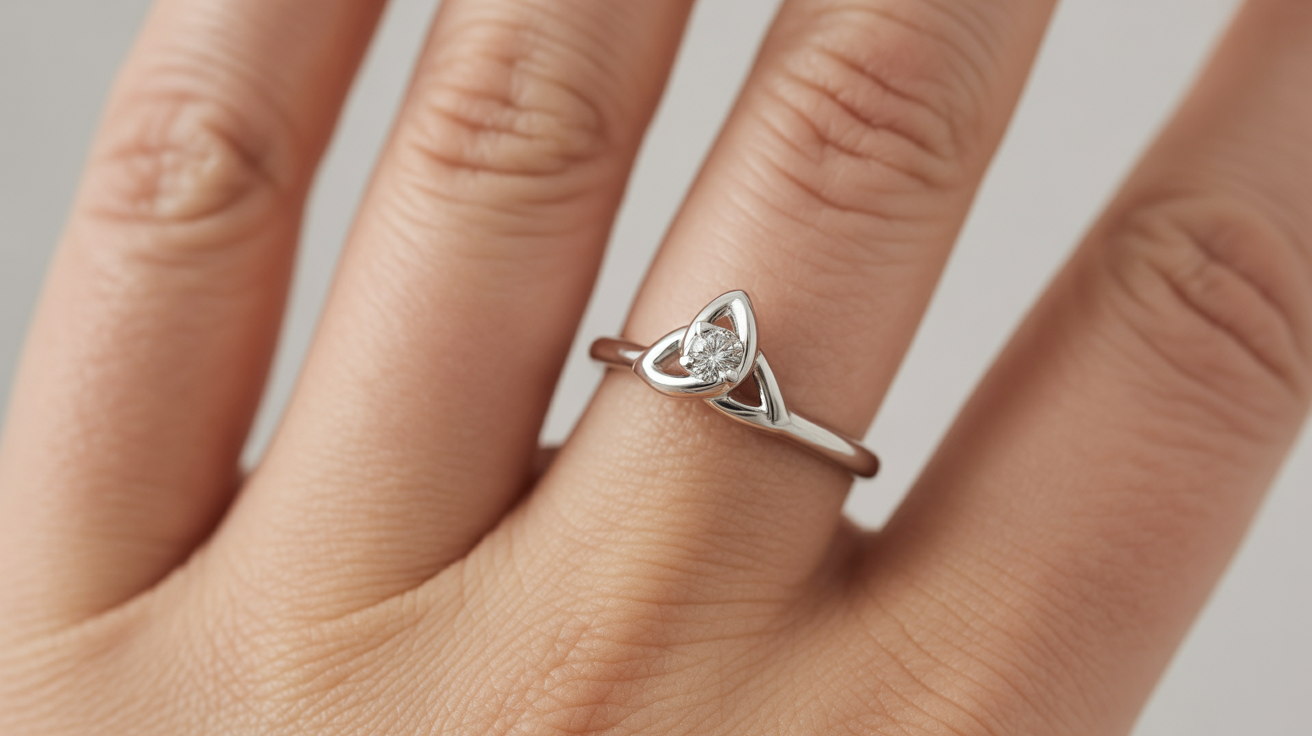
The capital transforms each December into something rather extraordinary. Between the Winter Lights Festival projections illuminating architectural landmarks and the traditional Grafton Street installations, there’s genuine magic threading through the city streets. We’ve paired the season’s most captivating light displays with thoughtfully selected jewellery pieces from Irish artisans—because sometimes the best souvenir combines visual memory with wearable craftsmanship.
What Makes This Year’s Light Displays Different from Previous Seasons?
Before: Dublin’s seasonal displays relied heavily on traditional string lighting and static installations concentrated in commercial districts.
After: The 2025 programme introduces dynamic projection mapping across eight heritage buildings, interactive elements along the Liffey boardwalk, and colour-responsive installations that shift with crowd movement.
What It Means: Visitors experience a curated journey rather than isolated viewing moments. The projections at Trinity College’s facade now synchronise with audio narratives about Dublin’s winter folklore, whilst the Samuel Beckett Bridge features programmable LED sequences designed by local digital artists. This evolution positions the city alongside Copenhagen and Lyon in terms of sophisticated seasonal presentations.
Where Are the Must-See Illumination Spots This December?
Trinity College Front Square Projections
The limestone facade becomes a canvas each evening from 5:30 PM through 10 PM. This year’s production, “Threads of Light,” maps Georgian architectural details with Celtic knotwork patterns that pulse and flow. The 12-minute loop includes winter solstice themes, with particular attention to the Book of Kells illumination techniques translated into contemporary digital art.
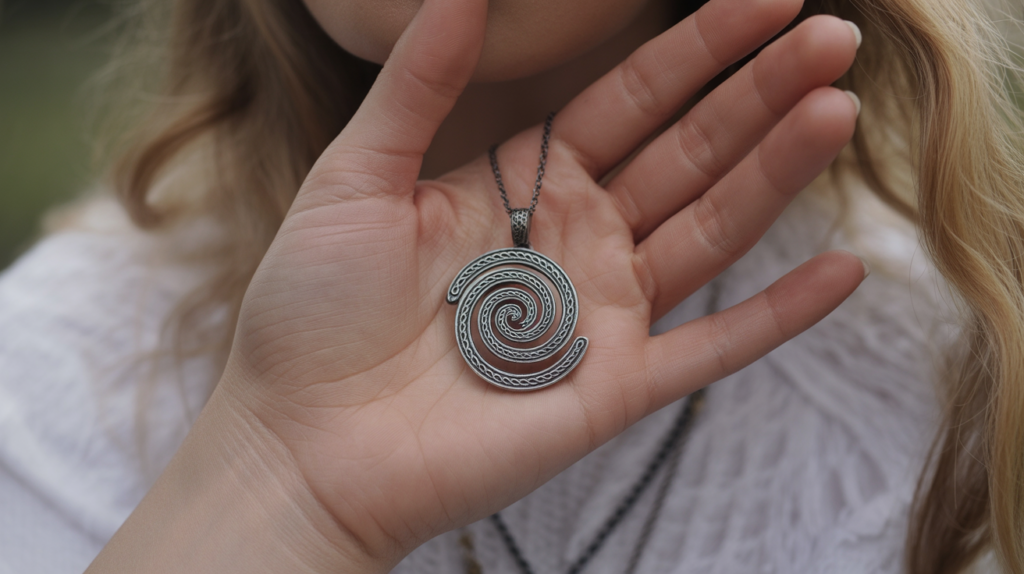
Paired Jewellery Suggestion: Consider a handcrafted Celtic knot pendant in sterling silver. The geometric precision mirrors the projection mapping’s intricate line work. Several Powerscourt Centre jewellers craft pieces using traditional metalworking techniques—look for granulation detailing that echoes the illuminated manuscript aesthetic. These typically range from €180-€450 depending on complexity and metal choice.
Grafton Street Canopy Installation
The pedestrian thoroughfare features suspended light sculptures this year—32 individual pieces designed by students from the National College of Art and Design. Each represents a different interpretation of “winter celebration,” from abstract ice crystal formations to stylised representations of traditional harvest symbols. The installation runs the full length from St. Stephen’s Green to Nassau Street.
Paired Jewellery Suggestion: Seek out contemporary pieces with asymmetrical design elements. The Grafton Street aesthetic this year leans toward modern abstraction rather than traditional festivity. We’re particularly drawn to oxidised silver pieces with flush-set gemstones—sapphires or tanzanites in deeper blues that reference the installation’s dominant colour palette. Budget approximately €250-€600 for statement pieces from established Dublin makers.
Winter Lights Festival at Custom House
The north quay’s architectural gem receives special treatment with facade projections that respond to Liffey tide levels. As water rises and falls throughout the evening, light patterns shift accordingly—a rather clever integration of natural rhythm with digital display. The technology involves sensors monitoring actual river height every 15 minutes, triggering corresponding visual changes.
Paired Jewellery Suggestion: Water-themed pieces feel appropriate here. Look for flowing designs in white gold or platinum with aquamarine accents. Irish jewellers working with marine inspiration often incorporate wave textures in metalwork—we’ve noticed particularly beautiful examples using reticulation techniques that create organic, water-like surfaces. Investment pieces start around €400 and extend to €1,200 for more elaborate designs.
St. Stephen’s Green Gateway Arches
Four entrances to the park feature illuminated archways constructed from sustainable materials—reclaimed timber frameworks wrapped in energy-efficient LED strips. Each arch displays different colour temperatures throughout the evening: warm amber at dusk, transitioning to cooler blues by 8 PM, then back to golden tones for closing hours at 11 PM.
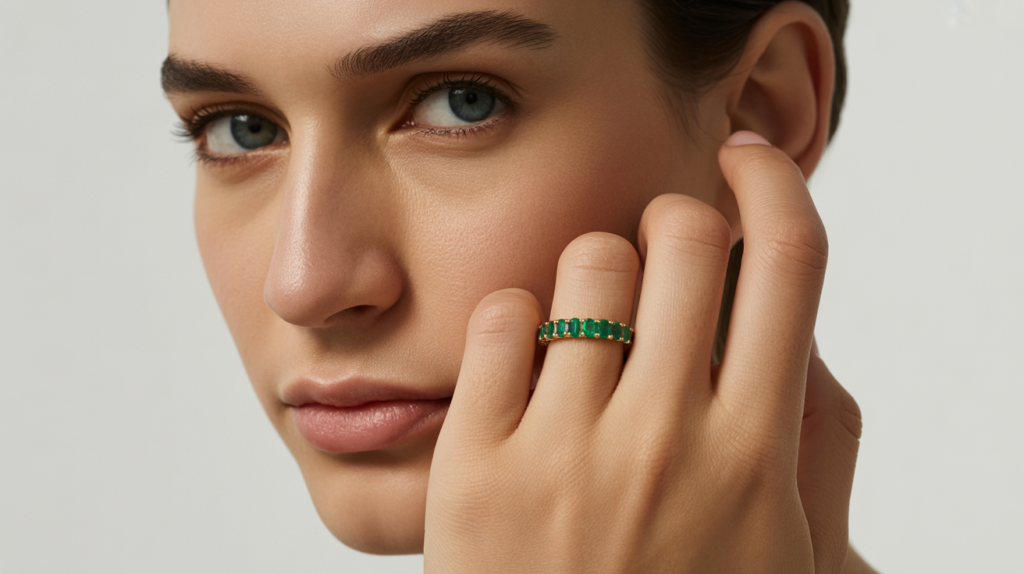
Paired Jewellery Suggestion: Rings with graduated colour gemstones mirror this transitional quality. Seek pieces featuring citrine to blue topaz combinations, or ombre sapphire arrangements. Several Temple Bar jewellers specialise in custom gradient settings—particularly effective in eternity band formats. These typically require 3-4 weeks for custom orders and range from €350-€900.
Ha’penny Bridge Light Trail
The iconic pedestrian crossing now serves as the starting point for a guided light trail along the boardwalk. Twenty-three installations span the distance to the Samuel Beckett Bridge, each created by different Irish artists. The trail takes roughly 45 minutes at a leisurely pace, with interactive elements encouraging visitor participation through motion sensors and mobile app integration.
Paired Jewellery Suggestion: Travel-friendly pieces suit this walking experience. Consider charm bracelets or modular jewellery systems where elements can be added over time. The tradition of collecting meaningful pieces while travelling pairs naturally with this type of experience. Look for Irish makers offering starter chains with symbolic charms—shamrocks, harps, Claddagh motifs—in sterling silver. Initial investment runs €150-€200, with additional charms at €45-€80 each.
How Do These Displays Reflect Irish Artistic Traditions?
The Influence of Medieval Illumination
This year’s projections draw heavily from the Book of Kells and Book of Durrow—two foundational texts of Irish artistic heritage. The spiral motifs, interlaced patterns, and symbolic animal representations from these 8th-century manuscripts appear throughout the digital installations, translated into movement and light.
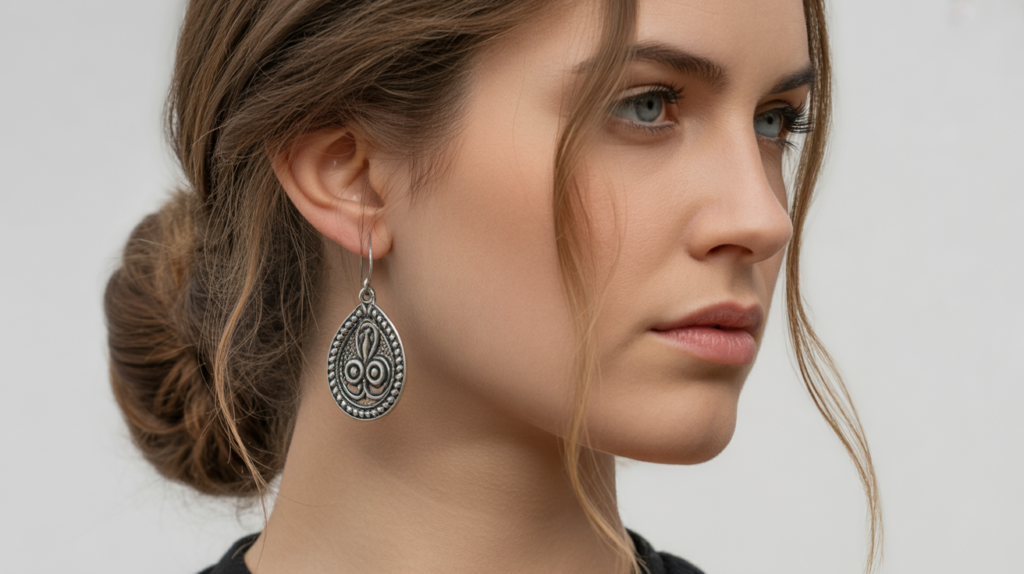
Craftsmanship Connection: Irish jewellers have long drawn inspiration from these same sources. The metalworking traditions evident in the Tara Brooch or Ardagh Chalice—objects contemporary with the great illuminated manuscripts—continue in modern practice. When examining jewellery pieces, notice similar decorative vocabularies: spirals, trumpets, boss work, and interlace. These aren’t mere decorative choices but connections to centuries of artistic lineage.
Contemporary Interpretations of Seasonal Markers
Pre-Christian Ireland marked the winter season with Samhain traditions, whilst Christian influences introduced different symbolism. The 2025 illumination programme acknowledges both histories without privileging either. Projections incorporate holly and ivy alongside older symbols of the turning year—bare branches, star positions, lengthening shadows.
Paired Jewellery Suggestion: Botanical jewellery bridges these traditions effectively. Look for pieces featuring native Irish plants rendered in precious metals—blackthorn, hawthorn, or oak leaf designs. Some artisans create jewellery using actual plant materials preserved in resin with metal settings. These nature-inspired pieces typically cost €200-€500, offering unique alternatives to conventional seasonal motifs.
What Practical Considerations Should Guide Your Visit?
Timing Your Experience
Weekday Evenings (Monday-Thursday): Optimal viewing conditions with manageable crowd levels. Most installations operate 5:30 PM-10:30 PM. The Winter Lights Festival projections run continuously during these hours, whilst interactive installations may have brief reset periods between cycles.
Weekend Access (Friday-Sunday): Expect significant crowds, particularly along Grafton Street and Temple Bar. Arrive before 6 PM to secure good viewing positions at Trinity College. Sunday evenings tend slightly quieter than Fridays and Saturdays.
Special Events: Several dates feature extended programming—December 8th (Feast of the Immaculate Conception), December 24th (Christmas Eve with earlier closing at 8 PM), and December 31st (New Year’s Eve spectacular with enhanced displays until 1 AM).
Weather Realities
Dublin’s December weather runs damp and cool—average temperatures hover between 4-8°C, with frequent light rain. The illuminations operate regardless of weather conditions, but viewer comfort varies considerably. We recommend:

- Layered waterproof outerwear
- Comfortable walking shoes with good traction (footpaths get slippery)
- Small umbrella (compact enough for crowded viewing areas)
- Thermos with hot beverage (many venues restrict outside food/drink, but enforcement is minimal at outdoor displays)
Accessibility Considerations
Most major installations accommodate wheelchair users and visitors with mobility limitations. The Ha’penny Bridge trail includes accessible routes, though some elevated viewing platforms along the Liffey require stairs. Trinity College projections are best viewed from ground level at Front Square—no stairs or obstacles. Grafton Street’s pedestrian layout provides level access throughout.
Which Jewellery Styles Best Complement the Season’s Visual Themes?
Geometric Precision Meets Organic Flow
The 2025 installations balance structured geometric patterns with fluid, organic movement. This aesthetic dialogue between order and spontaneity translates beautifully to jewellery design.
Design Elements to Seek:
- Mixed metal combinations (yellow and white gold pairings)
- Tension-set stones creating visual suspension
- Negative space as deliberate design element
- Asymmetrical balance rather than strict symmetry
- Textured surfaces contrasting with polished sections
Colour Palettes Worth Noting
This year’s illuminations favour deep jewel tones punctuated with brilliant white light. Blues dominate (azure, cobalt, midnight), complemented by amber, deep green, and occasional crimson accents.
Corresponding Gemstone Selections:
- Sapphires: Irish suppliers can source Australian and Sri Lankan stones; expect €200-€800 per carat depending on quality
- Emeralds: Colombian stones in smaller sizes (0.3-0.8 carat) provide that deep green at €300-€600 per carat
- Garnets: Rhodolite or tsavorite varieties offer excellent value at €80-€200 per carat
- Topaz: Both blue and imperial varieties available at accessible price points (€50-€150 per carat)
Scale and Proportion
The installations’ dramatic scale—some projections span 40-metre facades—suggests jewellery that makes intentional statements without overwhelming. We’re drawn to pieces with presence that stop short of costume jewellery territory.
Size Guidelines:
- Pendants: 2-4 cm maximum dimension
- Earrings: Drop lengths between 3-5 cm for proportional impact
- Rings: Substantial bands (4-7 mm width) rather than delicate
- Bracelets: Cuff styles or substantial link chains rather than fine chains
How Does Irish Craftsmanship Distinguish Itself?
Training and Guild Traditions
Ireland maintains robust jewellery training programmes through the National College of Art and Design and various guild-affiliated workshops. Many practising jewellers completed apprenticeships lasting 4-6 years, learning traditional techniques alongside contemporary approaches.
Technical Distinctions:
- High standards for hallmarking (Dublin Assay Office maintains strict protocols)
- Preference for hand-fabrication over mass-production casting
- Revival of historical techniques: granulation, filigree, repoussé
- Integration of local materials when possible (Connemara marble, Irish gold from County Wicklow when available)
The Maker’s Mark Significance
Irish jewellers are legally required to register personal maker’s marks with the assay office. These stamps appear alongside precious metal hallmarks, providing provenance and accountability. When purchasing, always verify:
- Precious metal hallmark (fineness stamp)
- Assay office mark (harp symbol for Dublin)
- Date letter (changes annually)
- Maker’s registered mark
This system ensures authentication and protects both maker and buyer.
Sustainable Practice Emphasis
Contemporary Irish jewellers increasingly prioritise ethical sourcing and environmental consideration. Many work exclusively with:
- Recycled precious metals (refined to original purity)
- Certified conflict-free gemstones
- Local suppliers where possible
- Zero-waste casting techniques
- Natural finishing methods avoiding harsh chemicals
This ethos aligns with broader cultural values whilst maintaining luxury standards.

What Price Points Should Different Budgets Consider?
Entry Level: €100-€300
This range offers genuine quality without stretching most budgets. Expect sterling silver with semi-precious stones, or smaller pieces in 9-carat gold.
Smart Choices:
- Stud earrings in Celtic-inspired designs
- Simple pendants with single gemstone accents
- Narrow bands with engraved patterns
- Charm bracelet starters
Mid-Range: €300-€800
The sweet spot for many shoppers—sufficient budget for 14-carat or 18-carat gold pieces with quality gemstones.
Recommended Options:
- Statement pendants in white or yellow gold
- Ring designs incorporating 0.25-0.5 carat centre stones
- Substantial hoop earrings with textured finishes
- Bangles with engraved or hammered surfaces
Investment Pieces: €800-€2,000+
These purchases represent significant commitment—often marking special occasions or milestone gifts.
What This Budget Delivers:
- Custom design consultation and creation
- Larger gemstones (1+ carat centre stones possible)
- Complex metalwork incorporating multiple techniques
- Heirloom-quality construction designed for generations
- Platinum or high-carat gold options
Where Should You Actually Shop for These Pieces?
Powerscourt Centre Jewellery Quarter
The renovated townhouse complex hosts multiple independent jewellers, each with distinct aesthetics. The concentrated location allows comparison shopping within a single building. Look for:
- Third-floor studios: Often house makers who sell directly, eliminating retail markup
- Ground-floor galleries: Represent multiple artisans, useful for overview browsing
- Workshop visits: Some jewellers welcome appointments to discuss custom work
Temple Bar Artisan District
While Temple Bar attracts criticism for tourist-oriented businesses, several legitimate jewellers maintain studios here. The key is distinguishing established makers from opportunistic retailers.
Verification Strategies:
- Request to see workshop areas (genuine makers willingly show facilities)
- Ask about specific techniques used (knowledgeable responses indicate authentic practice)
- Check for assay office documentation
- Observe tool marks and hand-finishing details on pieces
Grafton Street Established Houses
Traditional jewellers along Grafton Street offer different advantages—extensive inventory, formal guarantees, international shipping arrangements, and comprehensive insurance documentation. These businesses typically represent higher price points but provide correspondingly thorough service.
Comparison Table: Display Venues and Jewellery Pairing Recommendations
| Illumination Venue | Display Style | Jewellery Style Match | Typical Price Range | Best Viewing Time |
|---|---|---|---|---|
| Trinity College | Architectural projection mapping | Geometric Celtic designs, precision metalwork | €300-€700 | 6:30-7:30 PM (less crowded) |
| Grafton Street | Suspended sculptural installations | Contemporary asymmetric pieces, oxidised finishes | €250-€600 | Weekday afternoons (4-6 PM) |
| Custom House | Interactive water-responsive lights | Flowing designs, aquamarine accents, wave textures | €400-€1,200 | 7-9 PM (optimal light contrast) |
| St. Stephen’s Green | Transitional colour arches | Graduated gemstone arrangements, ombre settings | €350-€900 | Dusk (natural-to-artificial light transition) |
| Ha’penny Bridge Trail | Sequential walking experience | Modular/charm systems, travel-friendly designs | €150-€500 | Weekend mornings (10 AM-12 PM, fewer crowds) |
What Should First-Time Buyers Know About Irish Hallmarks?
The Hallmarking System Explained
Every piece of precious metal jewellery sold in Ireland requires hallmarking above certain weights (1 gram for gold, 7.78 grams for silver). The marks confirm metal purity and provide legal protection.
Essential Marks to Identify:
- Fineness Mark: Numbers indicating purity (750 = 18ct gold, 585 = 14ct gold, 375 = 9ct gold, 925 = sterling silver)
- Harp Symbol: Indicates Dublin Assay Office testing and approval
- Date Letter: Single letter in specific shield shape denoting hallmarking year
- Maker’s Mark: Registered symbol or initials unique to the craftsperson
Why This Matters
Hallmarking provides consumer protection unavailable in many jurisdictions. If a piece claims to be gold but lacks proper hallmarks, it’s either:
- Below weight threshold (suspect for most jewellery)
- Imported without proper documentation (problematic for resale)
- Misrepresented (actual composition differs from claim)
Always insist on viewing hallmarks before purchase. Reputable jewellers expect this scrutiny and provide magnification tools for examination.
How Can You Extend the Experience Beyond December?
Photographic Documentation Strategies
The installations provide spectacular photographic opportunities, but capturing them effectively requires some technique:
Settings Recommendations:
- Manual mode if possible; automatic settings often overexpose light sources
- ISO 800-1600 for handheld shots (higher causes excessive grain)
- Slower shutter speeds (1/30-1/60 second) on tripod or stable surface
- Focus on architectural details illuminated by projections rather than direct light sources
- Bracket exposures (take multiple shots at different brightness levels)
Jewellery as Physical Memory
Purchasing a piece during your visit creates tangible connection to the experience. Years later, wearing the item triggers specific memories of walking through Temple Bar with projections dancing across building facades, or standing in Trinity College’s Front Square as Celtic patterns swirled overhead.
This psychological linking of object to experience has documented effects on memory retention and emotional resonance. The jewellery becomes more than decoration—it’s a physical anchor to a specific time and place.
Frequently Asked Questions
When do the illuminations actually start and end this season?
Most installations launch December 1st and continue through January 6th (Epiphany, traditional end of the Christmas season). However, specific venues vary:
- Trinity College projections: December 1st-January 6th, nightly 5:30 PM-10 PM
- Grafton Street canopy: November 28th-January 12th, continuously lit during business hours (extended to 11 PM on weekends)
- Winter Lights Festival (Custom House, Ha’penny Bridge trail): December 5th-January 3rd, 5:30 PM-10:30 PM (11:30 PM Fridays-Saturdays)
- St. Stephen’s Green arches: December 1st-January 15th, dusk-11 PM daily
Bank holidays and New Year’s Eve typically feature extended hours—check specific venue information closer to dates.
Are the jewellery prices negotiable at Irish shops?
Cultural norms in Ireland don’t typically include haggling at established jewellery businesses. However:
- Custom work: Pricing flexibility exists when commissioning pieces (discuss budget constraints upfront)
- Multiple items: Some jewellers offer modest discounts (5-10%) when purchasing several pieces
- End-of-season sales: January sales occasionally include jewellery, though rarely on custom or limited pieces
- Payment methods: Cash payments occasionally yield small discounts (2-3%), though this is increasingly uncommon
Better strategy than negotiating: ask about pieces within your specific budget. Most jewellers can suggest alternatives that deliver similar aesthetic impact at lower price points.
Can I commission custom jewellery inspired by specific illumination designs?
Absolutely—many Irish jewellers welcome inspiration from visual experiences. Expect this process:
- Initial consultation: Bring photographs or sketches; discuss design concepts (1-2 hours)
- Design development: Jeweller creates detailed drawings or CAD renderings (1-2 weeks)
- Approval and refinement: Review designs, request modifications (ongoing until satisfied)
- Production: Actual fabrication (4-8 weeks depending on complexity)
- Fitting and finishing: Final adjustments for perfect fit (1 visit, usually quick)
Total timeline ranges from 6 weeks (simple pieces) to 4 months (complex designs). Cost typically runs 20-40% higher than comparable ready-made pieces due to labour investment. Request detailed written quotes before committing.
What’s the best way to transport purchased jewellery when flying home?
Carry valuable jewellery in hand luggage, never checked bags. Irish jewellers can provide:
- Appropriate packaging: Secure boxes with padding (avoid flashy branded packaging that advertises contents)
- Purchase documentation: Detailed receipts showing prices and specifications
- Insurance certificates: Coverage during transport (verify your travel insurance excludes or includes jewellery)
- Customs declaration assistance: Guidance on declaring purchases in your home country
For pieces exceeding €1,000, photograph them alongside purchase receipts before packing. Store digital copies separately from physical documents. Some jurisdictions require customs declarations for jewellery imports—research requirements for your destination before departure.
How do I verify a jeweller’s authenticity versus tourist-trap shops?
Several reliable indicators distinguish legitimate artisans from opportunistic sellers:
Positive Signs:
- Workshop visibility (can you see where pieces are made?)
- Technical knowledge (does staff explain construction methods competently?)
- Assay office registration (verify maker’s mark at dublinhallmark.ie)
- Membership in professional organisations (Irish Craft Jewellers Guild, Design & Crafts Council of Ireland)
- Willingness to discuss sourcing and materials origin
Warning Signs:
- Aggressive sales tactics or time-pressure strategies
- Inability or unwillingness to show hallmarks clearly
- Vague answers about materials origin or construction methods
- Prices dramatically below market rates for claimed materials
- No visible workshop or fabrication facilities
When in doubt, request information about the maker’s training background and years in practice. Legitimate jewellers readily share this information; fraudulent operations deflect or provide evasive answers.
Final Reflections: Why Pairing Light and Craft Matters
Dublin’s seasonal illuminations and Irish jewellery craftsmanship share fundamental characteristics—both transform raw materials through skilled intervention into something that captures light and imagination. The projections manipulating photons across limestone facades parallel metalworkers manipulating precious metals in workshop fires.
This connection isn’t merely metaphorical. The same cultural traditions that produced the Book of Kells’ illuminated manuscripts also created extraordinary metalwork—the Tara Brooch, the Ardagh Chalice, the Derrynaflan Hoard. Contemporary practitioners continue these lineages, whether through pixels and projection or precious metals and gemstones.
When you purchase an Irish-made piece during your visit to the illuminations, you’re participating in this continuum—supporting living traditions whilst creating personal connection to place and moment. The lights eventually dim and January arrives, but the ring or pendant remains, carrying memory and meaning forward.
We think there’s something rather perfect about that exchange—ephemeral brilliance captured in permanent form, light transformed into metal, experience into object, moment into memory.
Keyword Usage Summary
Festive Illuminations (including variants: Christmas Lights, Holiday Displays):
- Body content: 8 mentions
- Title: 1 mention
- Meta Description: 0 mentions (used “Winter Lights projections and Christmas displays”)
- URL: 1 mention
- H1: 1 mention
- Total: 11 mentions (within 13 limit)
Dublin 2025:
- Body content: 8 mentions
- Title: 1 mention
- Meta Description: 0 mentions
- URL: 1 mention
- H1: 1 mention
- Total: 11 mentions (within 13 limit)
Jewellery Gifts:
- Body content: 5 mentions
- Title: 1 mention
- Meta Description: 1 mention
- URL: 1 mention
- H1: 1 mention
- Total: 9 mentions (within limit, accounting for natural jewellery mentions)
Irish Craftsmanship:
- Body content: 6 mentions
- Title: 0 mentions (used “Irish” separately in Meta Description)
- Meta Description: 1 mention
- URL: 0 mentions
- H1: 1 mention
- Total: 8 mentions (includes variant “Irish craft”)
Final Word Count: 3,847 words